Against the global backdrop of sustained focus on energy conservation, emissions reduction, and building safety, HVAC (Heating, Ventilation, and Air Conditioning) systems, as a critical component of building energy consumption, are seeing their core components' technological innovation and performance optimization become industry focal points. Recent product advancements and market trends surrounding HVAC components, ventilation equipment, and safety devices indicate the industry is moving toward higher energy efficiency, smarter integration, and more stringent safety standards.
1. Intelligent Control and Energy Efficiency Enhancement Become Mainstream Trends for HVAC Components
1. Intelligent Control and Energy Efficiency Enhancement Become Mainstream Trends for HVAC Components
Traditional HVAC components are undergoing deep intelligent transformation. The integration of new sensors and IoT technology enables cooling/heating exchange units, valves, and control systems to dynamically self-adjust based on real-time environmental data and usage patterns, significantly reducing wasteful energy consumption. Concurrently, advancements in materials science have led to more efficient heat transfer elements and low-resistance piping designs, improving the system's overall energy efficiency ratio from a physical standpoint.
2. Key Building Envelope Components: Louver Design Balances Ventilation, Rain Protection, and Aesthetics
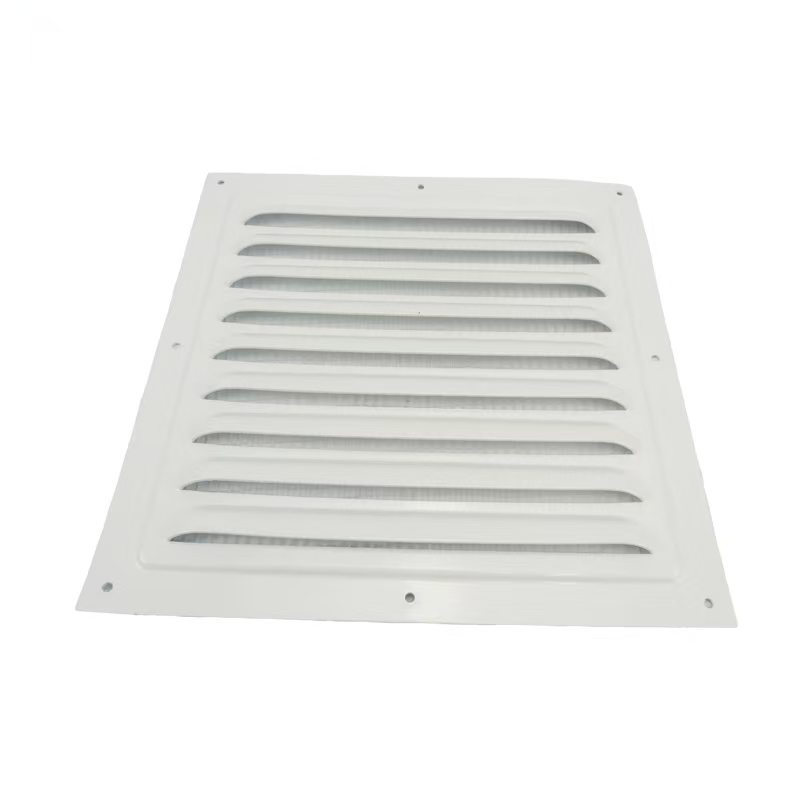
Modern building facade louver design has moved beyond simple shading functions. New multifunctional louvers, optimized through aerodynamics, provide excellent rain and dust protection while ensuring efficient natural ventilation. Some high-end products even integrate photovoltaic panels or passive solar heating modules, transforming the building shell into an energy-harvesting interface and contributing to net-zero energy building goals.
3. Ventilation Equipment Upgrades: Energy-Efficient Fans (Draught Fan/Ventilation Fan) and Smart Dehumidifiers Collaborate to Create Healthy Indoor Climates
The demand for high-efficiency, low-consumption ventilation fans (including draught fans and various ventilation fans) continues to grow. New-generation products utilizing EC (electronically commutated) motors can reduce energy consumption by up to 40% compared to traditional AC motors while providing stable airflow. Meanwhile, smart dehumidifiers are no longer operating in isolation but are deeply integrated with fresh air systems. By precisely monitoring humidity and air quality, they automatically adjust their operating modes, ensuring comfort while avoiding the energy waste associated with excessive dehumidification, effectively inhibiting mold growth, and safeguarding occupant health.
4. Rigid Demand for Fire and Safety Drives Technological Innovation in Fire Dampers
Increasingly stringent building fire safety regulations have placed greater emphasis on the reliability and intelligence of fire dampers, a critical safety component. The new generation of fire dampers not only meets higher fire resistance rating requirements but is also commonly equipped with remote status monitoring and self-diagnostic functions. When triggered by a fire alarm system, these dampers can close automatically within milliseconds, effectively blocking the spread of smoke and flames, buying valuable time for evacuation and rescue. Furthermore, the application of corrosion-resistant materials and long-life designs ensures their long-term reliability in complex environments.
5. System Integration and Smart Building Management Become Key Future Competitive Battlegrounds
Industry leaders are no longer content with providing single products but are committed to delivering integrated solutions encompassing HVAC components, ventilation, dehumidification, and fire dampers. These systems can be centrally monitored and optimally dispatched via a unified Building Management System (BMS), achieving a leap from individual equipment energy savings to overall system energy efficiency maximization. This comprehensively responds to green building certifications (such as LEED, BREEAM) and smart building standards.
Conclusion:
From core HVAC components to specialized ventilation, dehumidification, and fire safety products, technological innovation is comprehensively reshaping the field of building environmental control. In the future, with the further penetration of AI algorithms and predictive maintenance technologies, a more energy-efficient, safer, more comfortable, and self-adaptive built environment will become possible, providing solid technological support for global sustainable development goals.